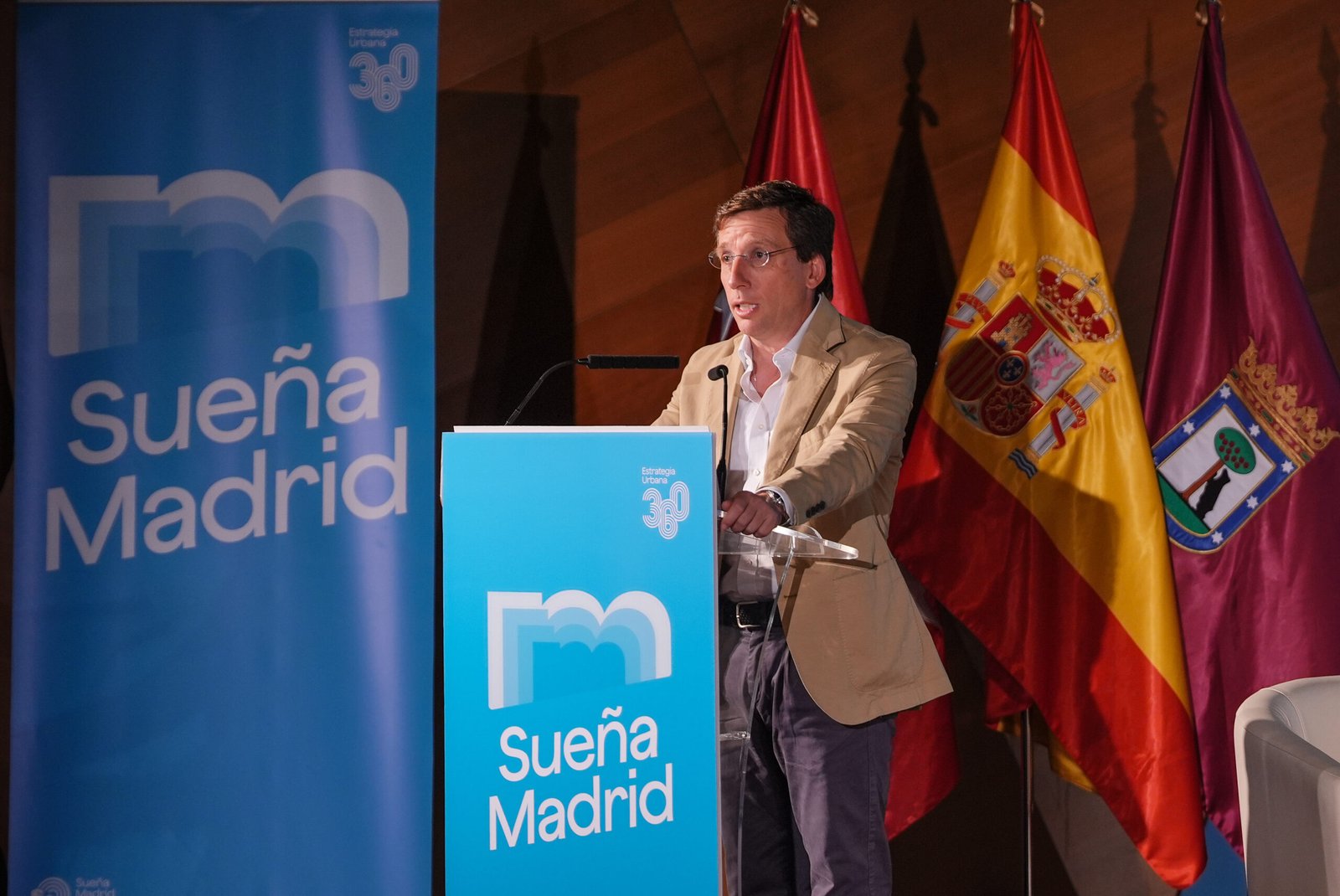
The Madrid City Council will initially approve the Municipal Strategic Plan in the first semester of 2027, which will replace the 1997 Urban Planning General Plan (PGOUM). This was announced by the Mayor of Madrid, José Luis Martínez-Almeida, during the presentation of conclusions from the nine working groups created over a year ago by the General Plan Office, aiming to reflect and propose specific actions within the ambitious challenge of designing the future Madrid.
In his speech, Almeida emphasized that this new plan is the result of a «reflection process led by the City Council but with invaluable collaboration from society as a whole.» He explained that the 1997 PGOUM «has achieved its objectives» but was approved «in a different population reality» from the current one. Faced with «immense challenges in an extraordinary moment of wealth generation, prosperity, and international recognition,» Almeida defended the need for a new planning model allowing the Administration to provide «quicker and more effective responses.»
He stressed that the new plan is «not a destination but a starting point» and advocated for a shared vision of urban development, stating that «Madrid is built by everyone, from bottom to top, because together we can work better and reach further.»
An instrument for designing the city of the future
On the other hand, the Delegate for Urban Planning, Environment, and Mobility, Borja Carabante, highlighted that the concept of the Urban Planning General Plan is outdated, and Madrid will have a new urban planning tool: the Municipal Strategic Plan. Carabante noted that this urban planning document will have general strategic lines of action to be developed later with more flexible and agile instruments.
Carabante, starting by thanking the hundreds of experts and institutions for their contributions to «dreaming Madrid,» emphasized how this new urban planning instrument for the capital will address the three major challenges of housing, urban transformation, and sustainability. He stated, «We need to take a step forward and face the 21st century with 21st-century tools. In this sense, the Municipal Strategic Plan will allow us to develop innovative, sustainable, and balanced urban planning. It has to enable the things that need to happen in Madrid to happen.»
Nearly 150 sessions and presentations, over 800 participants, and 40 agreements
The ambitious report presented today by representatives of the nine working groups is based on the definition made by the General Plan Office at the beginning of its journey (February 2024) regarding the nine challenges facing the city of Madrid, which the Municipal Strategic Plan must address: housing; economy, talent attraction, and investment; public space; sustainable mobility; climate neutrality; city model; culture and heritage; innovation and digitalization; and regulatory strategy.
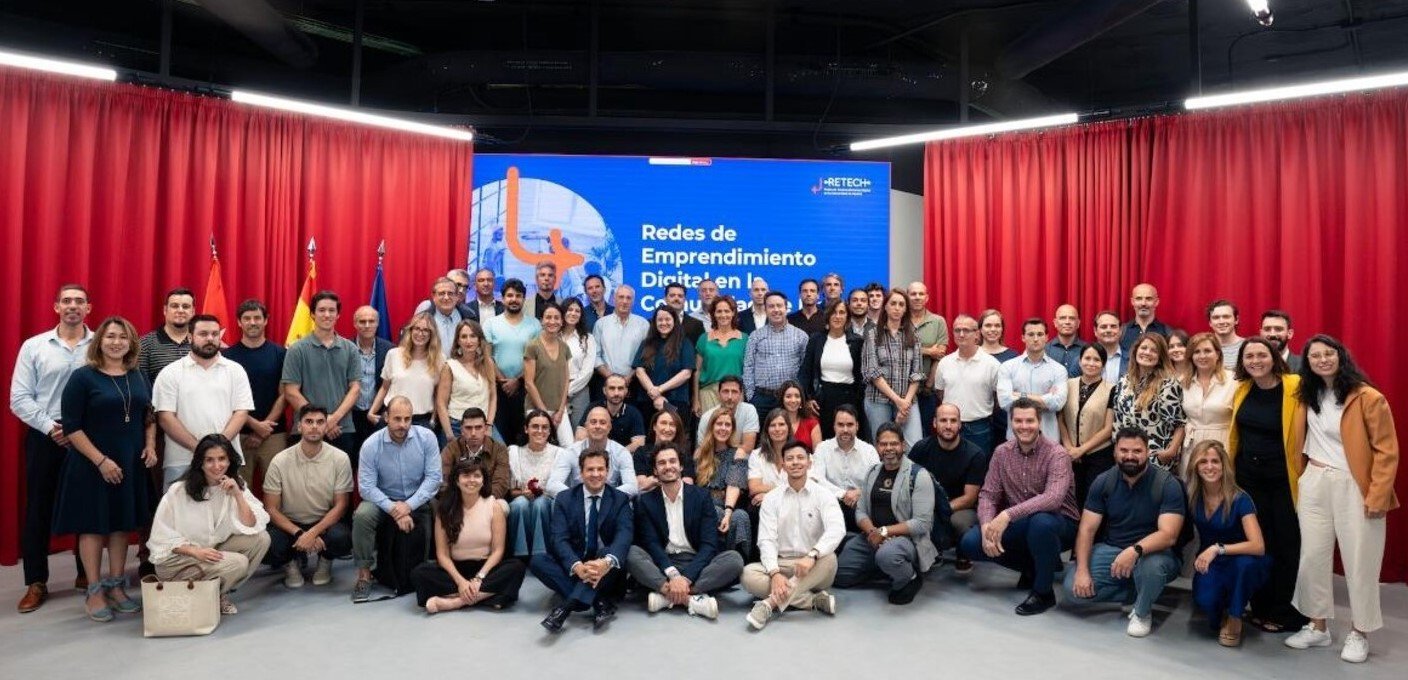
After defining these challenges, the office started the process of creating and establishing the nine working groups. Over a year of work, the report presented today shows unprecedented numbers in the history of Madrid. Representatives from all three levels of government (State, Madrid Region, and Madrid City Council), as well as professionals in architecture, urban planning, sociology, ecology, health, economics, and technology, have joined this collective effort. Additionally, participants from the academic and university world, professional associations, private companies, the social fabric, and neighborhood associations in the capital have contributed. This work is complemented by the ongoing participatory process in the municipal boards of the 21 districts, contributions from the Urban Advisory Council composed of experts, and the signing of 41 agreements with entities, companies, and universities.
The implementation of the nine public-private collaboration groups has driven, as detailed by the office’s director, Myriam Peón, the creation of 23 specialized working groups (comprising 10 to 15 individuals) and the organization of 33 sessions and 116 thematic presentations led by specialists in specific areas. This has involved a total participation of 827 individuals and contributions from 176 entities, including six professional associations, 118 companies, 27 professional associations, and 18 third-sector organizations, as well as independent experts who have participated individually.
The results provided by the working groups will serve as a starting point for analyzing and defining the guidelines of the Municipal Strategic Plan, as well as the transition mechanisms that need to be put in place for an effective implementation of the Plan. As conceived from the beginning, these are not definitive conclusions or proposals but a reflection of the dialogue and active listening process activated by the City Council.
1. Housing: There is a need to increase housing supply, with a focus on public administration but also through collaboration with the private sector. Developing new housing models or identifying transformation areas with obsolete spaces for mixed residential areas with protected housing, economic activity, and facilities for residents is deemed essential.
2. Economy, talent attraction, and investment: Key to evolving and restructuring planning towards a more flexible model that adapts to the city’s reality without the need for a complete revision of the PGOUM. Other conclusions point to establishing a regulatory framework for hybrid uses, authorizing temporary and reversible uses, simplifying administrative procedures, or designing a metropolitan strategy.
3. Public space: Emphasis is on promoting biodiversity and protecting urban nature through ecological connectivity at all scales, from the city to the neighborhood. The potential of squares, parks, and facilities as nodes for social cohesion and interaction is highlighted, along with the need to enhance their role as community hubs.
4. Sustainable mobility: Promoting sustainable mobility through urban design focusing on green spaces and pedestrian areas is crucial. It is also important to delve into a multimodal transport model, preparing the city for future transport modalities, and enhancing the sustainability and efficiency of urban freight transport.
5. Climate neutrality: After Madrid became an international benchmark in environmental sustainability, achieving the best air quality in its history, the conclusions of this working group point to the need for a new energy model for a decarbonized city. This involves expanding the electric vehicle charging network, renewable energy installations, reducing the carbon footprint of the tourism sector, and prioritizing energy efficiency criteria in buildings.
6. City model: Shared reflections in sessions related to this challenge focus on creating a polycentric city that promotes better connectivity and balance. The conclusions also include a paradigm shift to prioritize human-scale urban design, reusing and regenerating existing urban fabric from an axis-based scheme to a mesh capable of integrating the urban and metropolitan areas in a balanced manner.
7. Culture and heritage: This working group emphasizes how culture can be a driver of Madrid’s urban transformation, providing identity. Their conclusions advocate for a model with multiple centralities to balance and redistribute tourism, updating property and protected elements catalogs, and streamlining heritage intervention processes to engage investors in heritage renewal projects.
8. Innovation and digitalization: Recognizing the opportunity presented by Madrid’s leadership in this field, this group highlights the importance of moving towards a structure that allows quality, structured, and maintained data as the basis for efficient, transparent, and evidence-based urban planning. This involves a single data repository with visualization and analysis tools, as well as emphasizing public-private collaboration, transparency, and participation as essential axes in this area, while promoting Madrid’s consolidation as a future laboratory.
9. Regulatory strategy: In seeking an innovative framework to surpass traditional planning, the working group members conclude that the Municipal Strategic Plan is the ideal and necessary instrument to address the city’s challenges, recover the planning essence, and revolutionize the established urban order with agility, flexibility, and without compromising legal security and confidence in this new scheme. They also highlight the need for this instrument to incorporate a transitional regime bridging both systems.
A $14 million contract to drive the plan
In February, Carabante presented the main lines of this roadmap, focusing on addressing the three main challenges facing cities today: housing, urban transformation, and sustainability. This journey in defining and designing the city of the future must lay the foundation to increase housing supply for families, especially young people, and consolidate Madrid as a city that prioritizes the quality of its public spaces and is prepared for future challenges in sustainability, energy efficiency, environmental regeneration, and green initiatives.
Alongside the work process of the collaboration groups between the public administration and the private sector and participation in the districts, the Government Board approved a service contract for the development of the Municipal Strategic Plan. With a budget of $14 million, its implementation will allow the hiring of 38 specialists and technicians in urban planning, informatics, data management, and legal-economic fields. The contract also includes promoting participation, dissemination, and promotion of the project in line with the campaign’s objective and the Sueña Madrid website (which has received a thousand citizen proposals in just three months) and the launch of the Strategic Simulator: a 100% digital tool for massive data analysis based on georeferencing and the application of artificial intelligence or machine learning. /
FUENTE